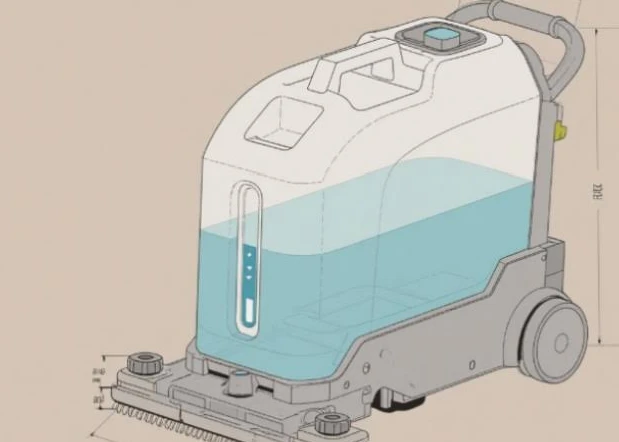
Starting an industrial cleaning equipment dealership requires a clear product strategy, reliable suppliers, and strong after-sales service. The global industrial cleaning equipment market exceeded USD 40 billion in 2024, with demand supported by manufacturing, logistics, healthcare, hospitality, and commercial facility maintenance. A dealership can begin with a focused product range, supplier partnerships, and service plans. Customer support and equipment knowledge often determine long-term dealership performance.
Industrial cleaning equipment dealerships serve businesses that need machines for large-scale maintenance rather than household cleaning. Factories, warehouses, airports, hotels, hospitals, and commercial buildings regularly use floor scrubbers, sweepers, vacuum systems, and pressure washers. In 2023, commercial facilities accounted for a large share of professional cleaning equipment demand as companies increased spending on workplace hygiene and operational efficiency.
Before starting a dealership, business owners should study local industries, customer types, and equipment requirements. A warehouse with 100,000 square feet of floor space may need ride-on scrubbers, while a small cleaning contractor may require compact machines. Market research should review the number of industrial facilities, existing suppliers, average machine replacement periods, and service expectations.
A successful dealership usually develops around solving customer cleaning needs rather than only selling machines.
Selecting manufacturers is one of the first business decisions. Dealers should compare product durability, warranty coverage, spare parts availability, technical training, and delivery support. Established manufacturers often provide sales materials and dealer programs, while specialized suppliers may offer products for specific industries. A balanced supplier network helps dealerships provide different equipment options.
A professional cleaning equipment dealership can include multiple product categories:
| Equipment Type | Common Applications |
|---|---|
| Floor scrubbers | Warehouses, factories, shopping centers |
| Industrial vacuum cleaners | Manufacturing plants, workshops, construction sites |
| Ride-on sweepers | Large outdoor and indoor areas |
| Pressure washers | Vehicles, equipment, industrial surfaces |
| Autonomous cleaners | Large facilities requiring scheduled cleaning |
Inventory planning affects cash management because industrial machines are expensive compared with consumer products. Entry-level equipment may cost several hundred dollars, while advanced ride-on machines can exceed USD 50,000. Many new dealers begin with demonstration units and popular models instead of maintaining large inventories. A 2024 industry survey showed that more than 60% of small equipment distributors preferred flexible inventory models to reduce storage costs.
Equipment selection naturally connects with sales methods because industrial buyers usually compare performance, maintenance requirements, and operating expenses before purchasing. Sales representatives need to understand how machines fit different environments. For example, a battery-powered scrubber may reduce operating noise in hospitals, while a high-capacity vacuum system may improve cleaning efficiency in manufacturing areas.
Buyers often evaluate total operating costs over several years instead of only looking at the initial equipment price.
A dealership should provide technical information, demonstrations, and application advice. Equipment demonstrations allow customers to compare cleaning speed, battery duration, water usage, and maintenance requirements. In many commercial environments, replacing manual cleaning processes with mechanical equipment can reduce cleaning labor time by approximately 30% to 50%, depending on facility size and workflow.
After equipment sales, maintenance services create additional business opportunities. Industrial machines require regular inspections, replacement parts, battery checks, filter changes, and operator training. A dealership that provides maintenance contracts can build repeat business with factories, cleaning companies, and property managers. Service agreements may generate recurring monthly or yearly income after the initial purchase.
A dealership revenue structure may include:
| Revenue Area | Description |
|---|---|
| Equipment sales | Selling new cleaning machines |
| Spare parts | Providing filters, batteries, brushes, and accessories |
| Maintenance plans | Scheduled service and inspections |
| Equipment rental | Short-term solutions for temporary projects |
| Training services | Teaching operators proper equipment use |
Digital marketing has become increasingly important for industrial equipment suppliers. Many business buyers research products online before contacting sales teams. A professional website should include equipment specifications, application examples, maintenance information, and customer references. Search visibility for terms such as cleaning equipment dealership can help attract companies looking for distribution opportunities.
Online content should focus on practical questions from customers. Examples include how often floor scrubber brushes need replacement, how battery-powered equipment compares with fuel-powered machines, and which machines are suitable for different floor materials. In 2025, many B2B buyers used online research during supplier selection, making detailed product information important for attracting qualified inquiries.
Partnership development can increase dealership growth. Cleaning contractors often purchase multiple machines because they serve many commercial locations. Property management companies may need regular equipment upgrades across office buildings, retail spaces, and industrial facilities. Building relationships with these groups can create repeat sales opportunities.
Financing programs also influence equipment purchases. Many small and medium-sized businesses prefer leasing because industrial machines require significant upfront spending. Equipment financing options can allow customers to spread payments over 24, 36, or 60 months. Leasing models have become more common since 2020 as businesses seek flexible equipment access.
Technology development is changing industrial cleaning equipment. Battery improvements, automation systems, and smart monitoring features are becoming more common. Robotic cleaning machines are being introduced in airports, warehouses, and large commercial buildings. According to industry forecasts, autonomous cleaning equipment is expected to grow strongly through 2030 as businesses explore ways to improve facility management.
Operating costs should be calculated before opening a dealership. Expenses may include warehouse rental, product samples, transportation, employee salaries, marketing, insurance, and technical tools. A small regional dealership may start with tens of thousands of dollars, while a full-service operation with technicians and inventory may require several hundred thousand dollars.
Dealers who combine equipment sales with maintenance support usually have more stable business structures than companies relying only on one-time transactions.
Training is another area that affects customer satisfaction. Sales teams should understand machine operation, cleaning chemicals, safety procedures, and common technical problems. Manufacturer training programs can shorten learning time and improve service quality. In 2022, many equipment manufacturers expanded distributor education programs because technical knowledge became more important in industrial sales.
Regulations and workplace standards should also be considered. Equipment used in factories, healthcare facilities, and public buildings must meet local safety requirements. Dealers should provide clear operating instructions and ensure customers understand proper machine use. Professional documentation helps companies meet internal safety policies and facility management standards.
Choosing a market focus can help a new dealership build expertise faster. Some companies specialize in warehouse cleaning, while others focus on healthcare facilities, hospitality, or manufacturing plants. A focused product range allows sales teams to understand customer requirements and recommend suitable equipment.
The long-term performance of an industrial cleaning equipment dealership depends on supplier relationships, product quality, service capability, and customer communication. The global demand for professional cleaning solutions continues to expand as businesses invest in safer workplaces and more efficient maintenance systems. A dealership built around reliable equipment and consistent support can develop stable relationships with commercial customers over many years.